How To Do Safe and Simple Physiotherapy Exercises at Home
Safe physiotherapy at home starts with two non-negotiables: never push into sharp pain and always follow the specific instructions your therapist gave you. When you have a rehabilitation plan designed for your home environment, doing your exercises safely can speed up recovery and help you regain confidence in your own body. Many people in Dubai now turn to Bridgescare and similar home-services for direction before beginning any independent programme, because a single wrong movement can set healing back.
Principles that keep home exercises safe and productive
A few ground rules make all the difference between helpful movement and accidental injury. They apply whether you are recovering from orthopaedic surgery, managing a long-term condition, or simply trying to maintain mobility.
- Pain is your limit, not your target. Mild stretching discomfort is normal; sharp, shooting or worsening pain is a stop sign.
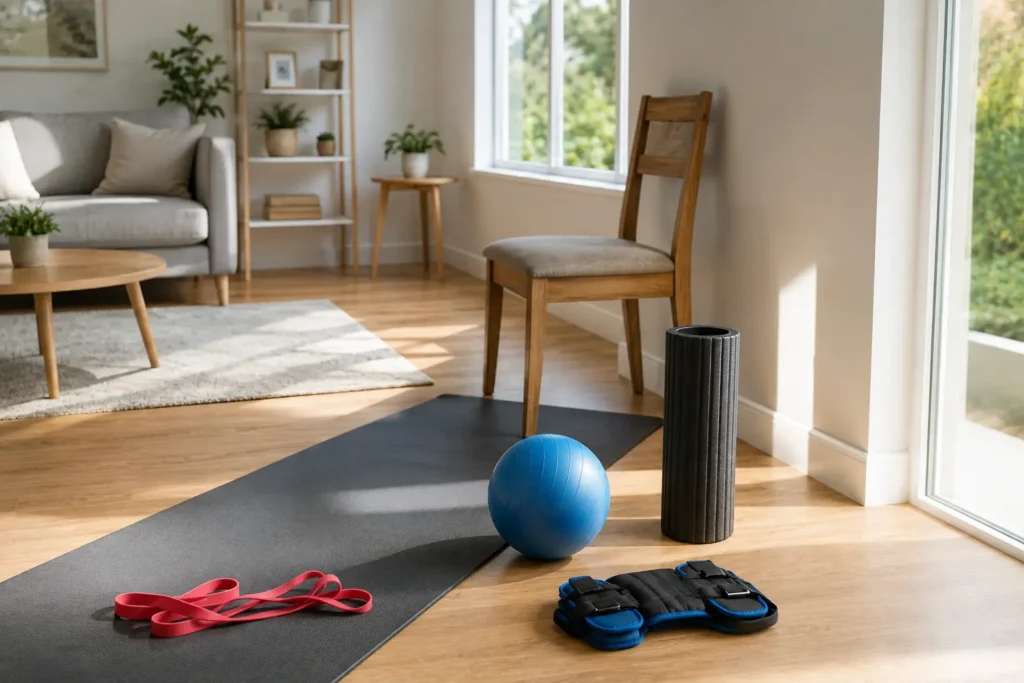
- Environment matters. Clear the floor, remove loose rugs, and have a firm chair or wall nearby for balance.
- Frequency beats intensity. Short sessions spread through the day are gentler and more effective than one long, exhausting workout.
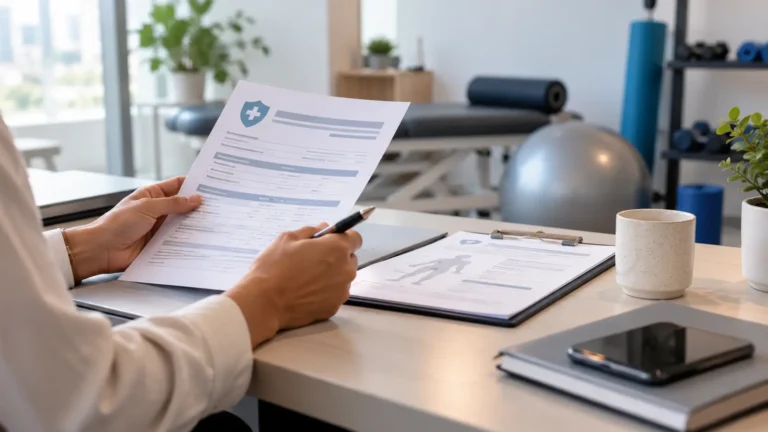
- Written guidance counts. A printed or digital plan keeps you on track and prevents guessing.
- Hydration and room temperature. In Dubai’s hot climate, exercising indoors with air conditioning and water breaks helps prevent dizziness or cramps.
These principles form the backbone of any successful physiotherapy at home routine, and they are the first things a therapist checks when they come to your house.
Preparing your space and body before you move
Setting up correctly is part of the exercise. Without the calibrated equipment of a clinic, a few simple precautions keep you safe.
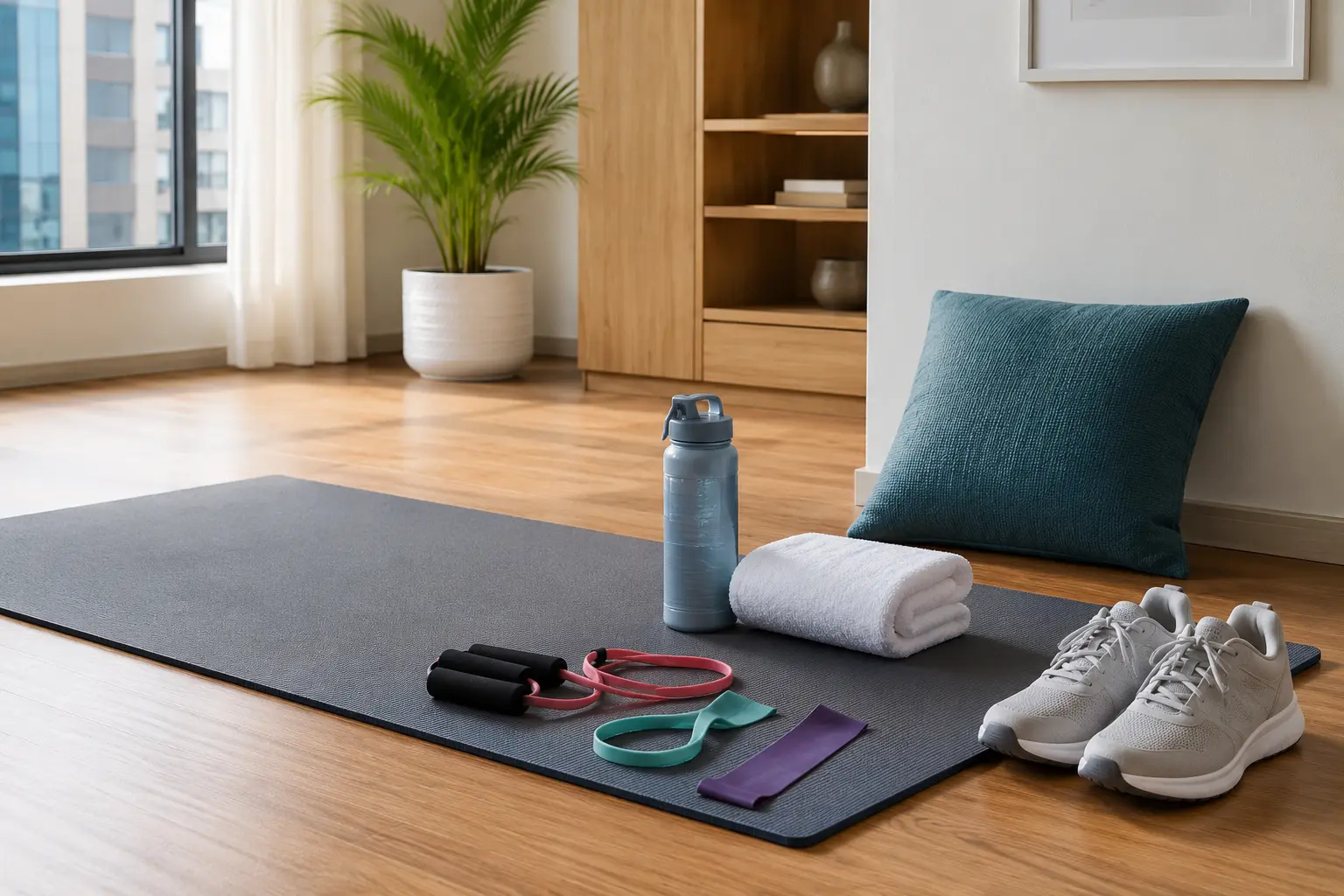
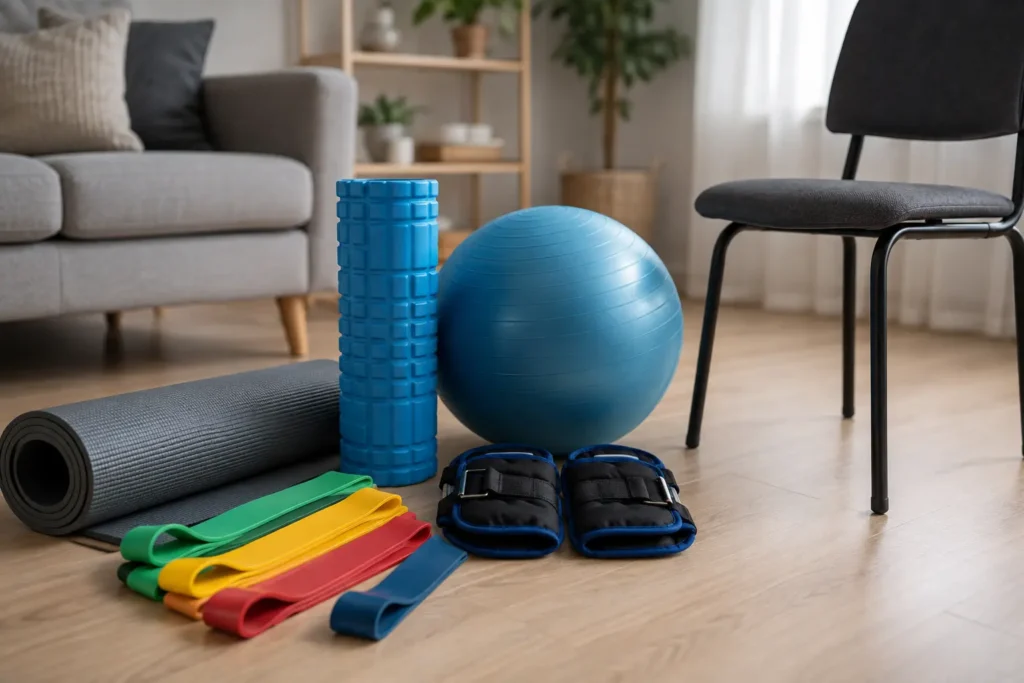
Stand near a wall or sturdy chair for seated or standing leg work. If you are doing floor exercises, use a yoga mat on a non-slip surface. Wear clothes that let skin breathe, not restrictive garments that alter your natural range of motion. Before starting, gently warm up by marching in place or swinging your arms for two minutes to raise blood flow.
For people who require physiotherapy at home after knee replacement or spine surgery, the therapist often marks safe positions in the house first, for example showing which chair height allows hip-knee alignment without straining the joint.
Low-risk movements you can practise independently
These examples are safe only if cleared by a clinician for your specific condition. The names give a clear cue, and none should cause pain.
Ankle pumps
Lie on your back or sit with legs extended. Point your toes away as far as comfortable, then pull them toward your shin. Move rhythmically, keeping the motion within a pain-free range. This helps circulation and calf tone, valuable after periods of bed rest.
Seated marching
Sit on a firm chair, feet flat. Lift one knee a few inches, lower it, then lift the other. Keep your trunk still; the movement comes from the hip flexors. Use this when you are not yet ready for standing balance work.
Wall slides (scapular setting)
Stand with your back against a wall, feet a few inches forward. Bend your elbows to 90 degrees with the backs of your hands touching the wall. Slowly slide your forearms up the wall, as if drawing a goalpost shape, and back down. This gently engages the shoulder stabilisers without overhead strain.
Glute bridges (basic progression)
Lie on your back, knees bent, feet flat. Tighten your abdominal muscles, then lift your hips until your body forms a straight line from shoulders to knees. Do not arch your lower back. If it hurts, lower the lift or stop.
These movements mimic the controlled strength-building that forms the core of professional physiotherapy, scaled down so you can perform them with minimal risk.
Signs a movement is not right for you
Your body gives clear warning signals. Recognising them early prevents a small mistake from becoming a setback.
| Normal response during exercise | Possible warning sign |
| Muscular fatigue or gentle pull | Sharp, stabbing or electric-shock pain |
| Temporary stiffness after exercise | Joint swelling that gets worse overnight |
| Mild breathlessness that settles | Shortness of breath, dizziness, or chest discomfort |
| Warmth in the working muscle | Hot, red, or tender area on one leg (possible clot) |
| Gradual increase in motion | Sudden loss of range or sensation |
If any of the right-column symptoms appear, stop immediately and contact the professional who oversees your programme. In Dubai, the DHA-licensed therapists you work with through a home service can usually reassess your plan quickly, sometimes via a next-day home visit.
When your own efforts aren’t enough
Home-based exercises work best as a follow-up to professional assessment. There are situations where continuing alone is not safe.
- You had a total joint replacement and your range of motion hasn’t improved in two weeks.
- You feel unstable when standing or walking, even with support.
- Pain is interfering with sleep, or you need medication just to complete simple tasks.
- A recent fall has left you anxious and unable to trust your legs.
In any of these cases, the solution is not to work harder but to get eyes on the problem. A therapist can spot compensation patterns you would never notice yourself, a tilted pelvis, a forgotten post-surgical precaution, inefficient breathing that limits your effort.
How professional physiotherapy strengthens home routines
Seeing a physiotherapist at home bridges the gap between medical advice and daily reality. They watch how you move in your actual living space, on your staircase, in your kitchen, on your bed. That observation alone often brings changes that no clinic session could reveal.
Therapists use hands-on techniques like joint mobilisation and soft-tissue release to loosen stiff structures before your exercises, so the movements actually target the right muscle. They also help you understand your diagnosis clearly. When you know why a certain exercise matters, adherence rises, and so do results.
For many families in the city, Physiotherapy Rehabilitation Services in Dubai delivered at home removes the transport burden that makes older adults or post-surgical patients miss appointments. The programme is woven into the day, not bolted onto it.
Frequently asked questions
1. Can I do physiotherapy at home without seeing a therapist first?
You can, but it carries risk. Without an assessment, you might choose exercises that worsen an undiagnosed problem. At minimum, one evaluation session with a DHA-licensed physiotherapist helps you learn safe loading and correct posture for your particular issue.
2. What is the difference between home physiotherapy and clinic sessions?
At-home care takes place in your everyday environment, so the therapist sees exactly how you move around your home and can adapt exercises to real obstacles. A clinic offers more equipment and a controlled setting, but it requires travel, which isn’t always possible after surgery.
3. How long before I notice an improvement?
For acute soft-tissue injuries or straightforward post-operative recovery, many people feel a clear difference in two to three weeks of consistent daily exercise. Chronic conditions like arthritis take longer and the goal may be functional stability rather than complete pain relief.
4. Are the exercises safe if I have high blood pressure or a heart condition?
Static holds or straining movements that make you hold your breath can spike blood pressure. A therapist trained in cardiac precautions teaches you to exhale during effort and to avoid isometric exercise if it contradicts your cardiologist’s advice. Always share your full medical history before starting.
5. Why is home physiotherapy in Dubai different from other places?
The main difference isn’t clinical, it’s practical. In Dubai, extremely high outdoor temperatures mean walking as therapy is often not possible during summer months. Home-based exercises designed around air-conditioned indoor space become essential for year-round consistency.
Getting the right plan for you
A routine you can safely follow at home is built on a professional assessment of your body, your surroundings, and your goals. If you are unsure which exercises are safe or feel stuck in your progress, a single home visit with a qualified physiotherapist can give you a clear direction and update your programme for the next stage. To put that plan into motion, you can book an assessment with Bridgescare’s home physiotherapy team.