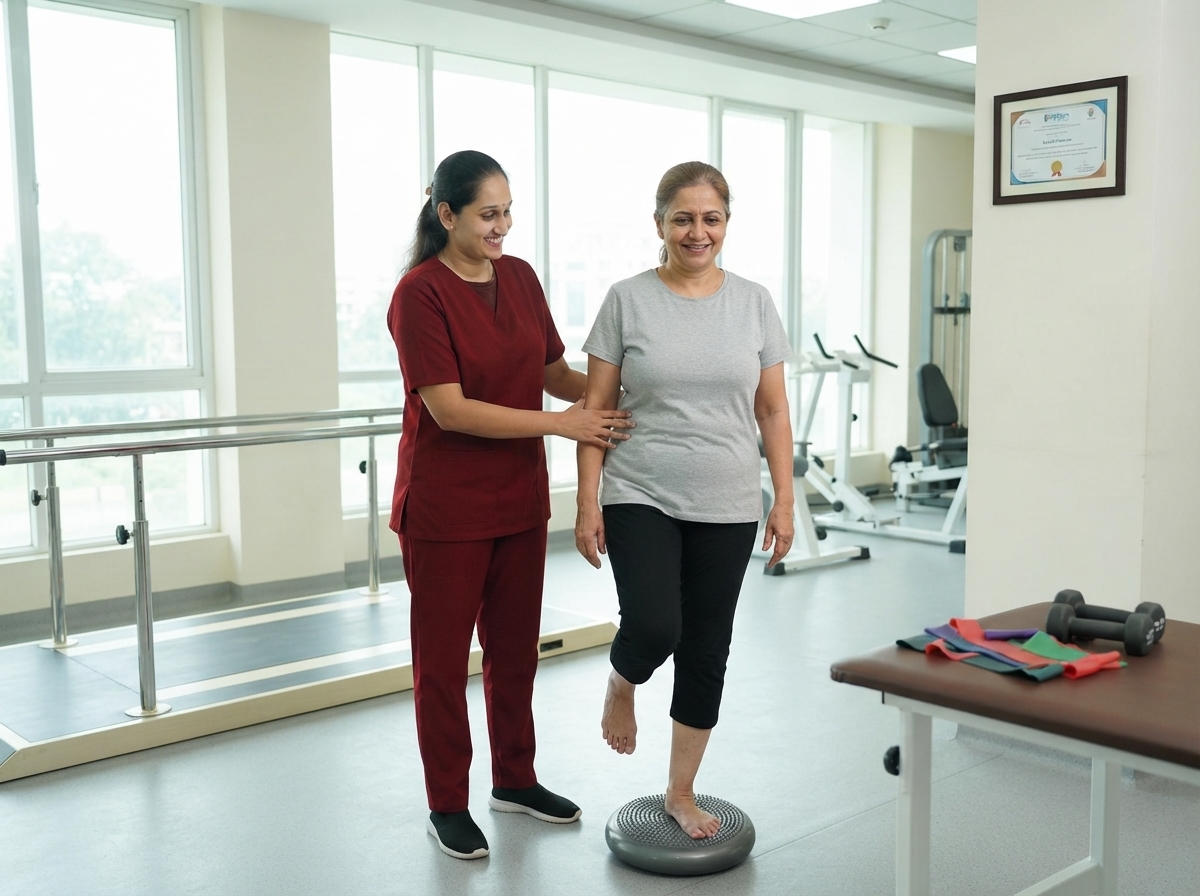
Physiotherapy and Occupational Therapy: Understanding the Key Differences and Choosing the Right Care
Have you or your loved ones ever been told that they should think about therapy but you were uncertain which is more suitable, physiotherapy and occupational therapy?
You are not the only one. There are many parents, caregivers, and even adult patients who confuse those two terms because both types of therapy help people to enhance the quality of their lives.
In this article, we will describe what physiotherapy & occupational therapy are, who could use them, and when you would need to apply each of them.
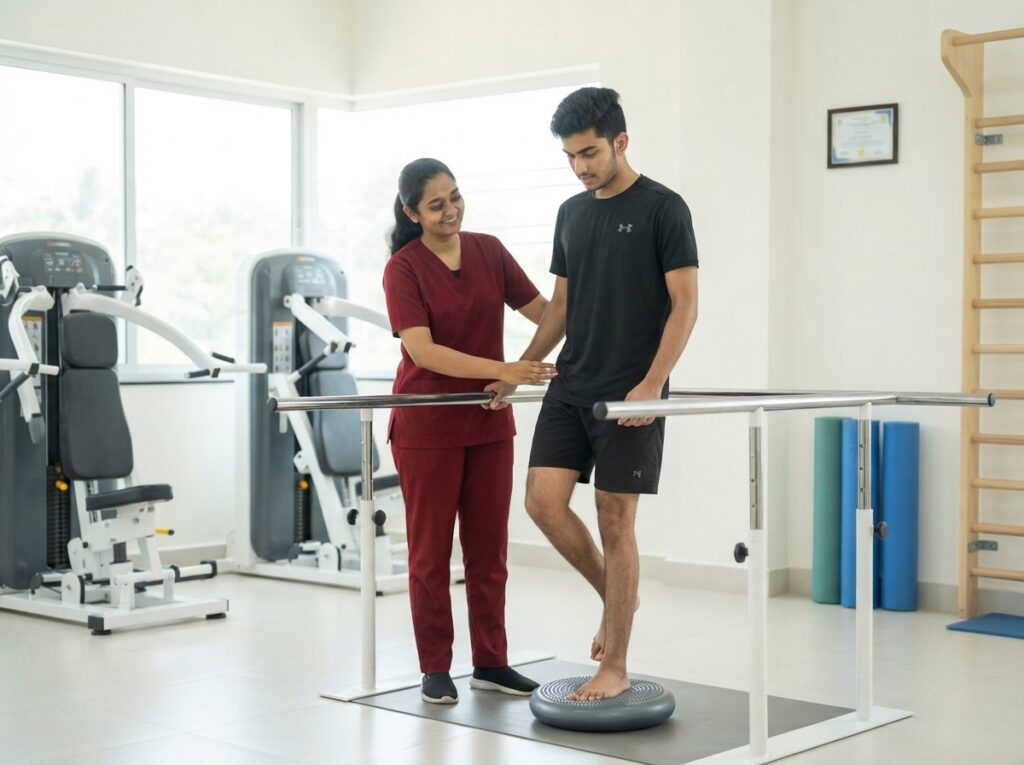
Difference Between Physiotherapy and Occupational Therapy
Even though physiotherapy & occupational therapy assist with rehabilitation, they have different objectives.
Physiotherapy aims to help individuals become physically active again. This can include increasing range of motion, strength, flexibility, and alleviating any pain.
Occupational therapy aims to help individuals do day-to-day tasks independently. These tasks include getting dressed, eating, writing, working, and playing.
In other words,
- Physiotherapy assists in improving your movements.
- Occupational therapy assists in improving your way of life.
Why Is It Important to Know the Difference?
Selecting the appropriate treatment may help you recover faster.
For instance:
- A child with developmental disabilities requires OT to become self-sufficient and excel academically.
- A person suffering from an injury due to playing sport might need PT to regain strength.
- People who have had a stroke usually require both kinds of treatments.
The sooner you seek treatment, the better.
Common Conditions Treated
| Physiotherapy | Occupational Therapy |
| Injuries to sports | Autism Spectrum Disorder |
| Back and neck injuries | Sensory processing deficits |
| Rehabilitation after stroke | Developmental delays |
| Arthritis | Fine motor skill difficulties |
| Balance disorders | Daily living skills training |
| Post-surgery recovery | Handwriting and school readiness |
What is the Difference Between Them?
Physiotherapy focuses on
- Pain relief
- Muscle building
- Increased flexibility
- Balance and coordination
- Walking
Occupational therapy focuses on
- Fine motor skills
- Activities of daily living
- Sensory processing
- Hand-eye coordination
- Independence at school, work and home
Advantages
Physiotherapy & occupational therapy strive for making a patient’s life better; however, each of them has its own benefits. Physiotherapy is mainly about restoring physical capabilities, relieving pain and increasing mobility, whereas occupational therapy allows people to be more independent in performing everyday activities.
Some advantages of both types of therapy are:
- Increased strength, balance, and coordination
- Decreased pain and discomfort
- Independence in performing daily activities
- Increased self-confidence and psychological well-being
- Increased involvement in academic, social, and working activities
- Improvement in the overall quality of life
It often happens that the most successful results are achieved through a combination of both therapies.
Who May Benefit from Physiotherapy and Occupational Therapy?
Physiotherapy & occupational therapy can be done by any person, regardless of age. In some cases, either physiotherapy or occupational therapy may be recommended based on the patient’s needs, while sometimes both are recommended at once.
Physiotherapy & occupational therapy may help:
- Infants and children who have developmental delay
- Adult patients who have undergone surgery or experienced an injury
- Stroke victims
- Neurological patients
- Seniors who have issues with balance and movement
- Patients suffering from chronic pain or arthritis
- Children with autism spectrum disorder or sensory processing disorder
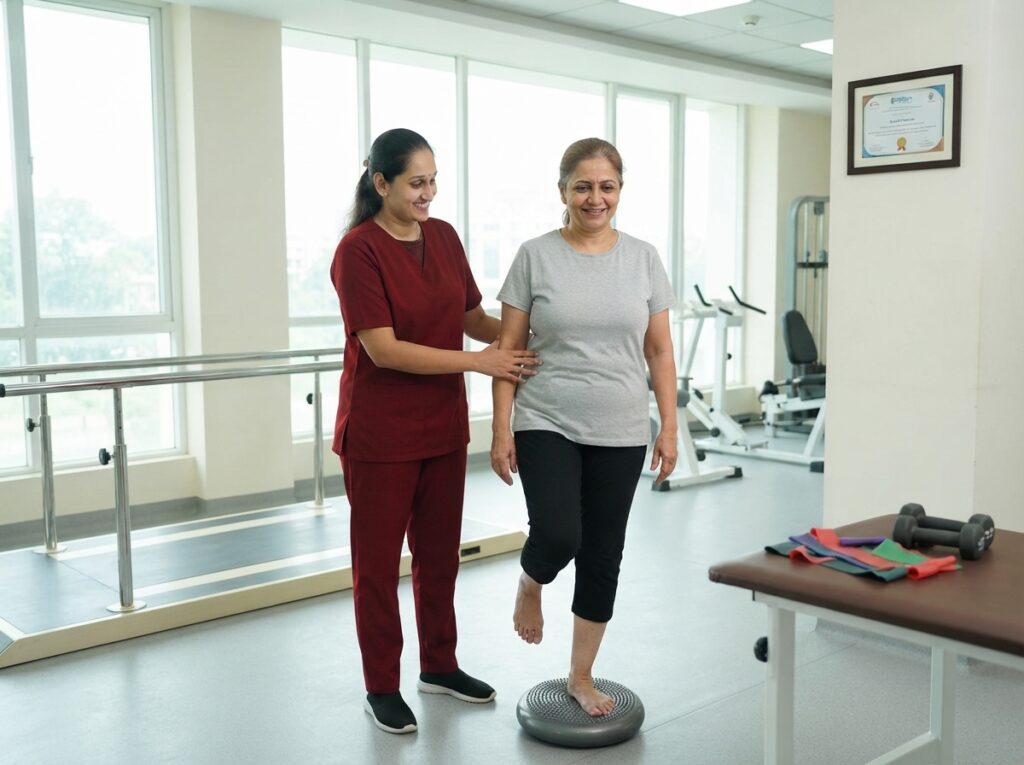
Can you have both treatments together at once?
Yes. Physiotherapy and occupational therapy can be complementary in many instances. Whereas physiotherapy is used for recovering physical mobility and strength, occupational therapy aids one to become independent in their daily activities.
In cases of stroke, physiotherapy can assist the person to walk again, whereas occupational therapy trains them in essential skills like dressing, feeding, writing, and going back to work.
When Should You See A Professional?
Think about seeking an assessment when yourself or your child displays:
- Constant pain or restricted movement
- Difficulty in walking or balancing
- Problems with feeding, dressing, or writing
- Motor developmental delays
- Difficulties in attending school or participating in other activities
- Rehabilitation following surgery, stroke, or trauma
Assessment at an early stage enables therapists to come up with an appropriate plan of action.
How Bridges Care Rehabilitation Center can help
In the UAE at Bridges Care Rehabilitation Center, our multidisciplinary team can customize your rehab program depending on your specific needs as either a child or an adult patient.
We do a proper assessment of your case to determine whether you require physiotherapy, occupational therapy, or both.
Even though both aim at enhancing quality of life, there is a difference in what they try to accomplish. The difference is that while physiotherapy restores the patient’s ability to move and function physically, occupational therapy teaches him how to be more self-sufficient in his everyday activities.
FAQ
1. Is occupational therapy more effective than physiotherapy?
No, they have different roles. Physiotherapy is meant to enhance movement and relieve pain while occupational therapy is meant to enable individuals to carry out activities independently.
2. Are the two terms referring to the same thing?
No. Physiotherapy deals with the enhancement of movement and recovery whereas occupational therapy is intended to facilitate independence in everyday activities.
3. Is OT useful for patients with hypermobility?
Yes, OT is useful for patients with hypermobility in order to be able to do things independently, safeguarding their joints from injury.
4. Is a physiotherapist helpful in alleviating pain from osteoarthritis?
Yes, the physiotherapist employs movement in alleviating pain and improving joint function.