
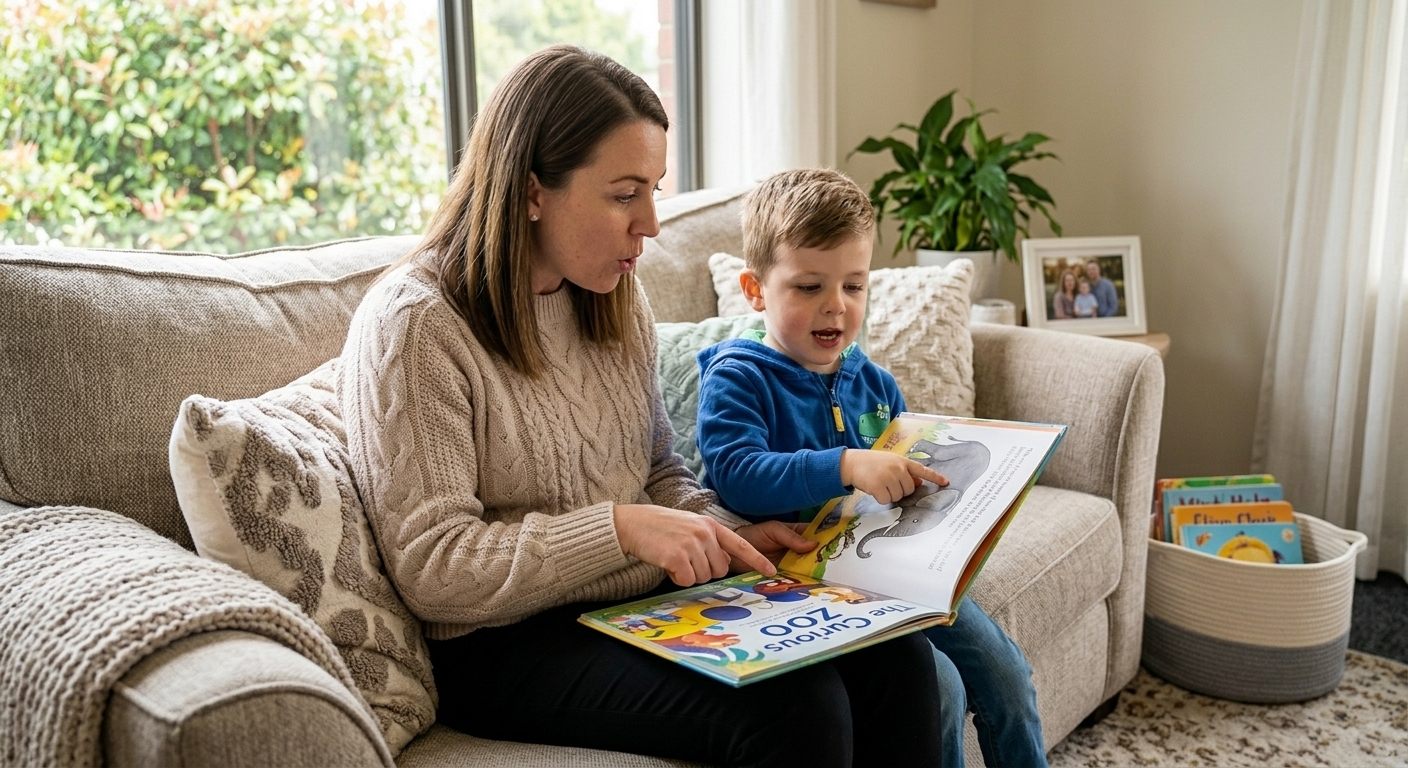
A speech sound disorder (SSD) is a condition where a child has persistent difficulty producing, organizing, or pronouncing speech sounds correctly for their age. It affects roughly 12 in every 100 children, and without the right support it can ripple into literacy, social confidence, and classroom participation. Families in Dubai looking for guidance can start with a qualified assessment through bridgescare dubai to understand what type of difficulty their child is facing.
What a Speech Sound Disorder Actually Looks Like
Children with SSD are often hard to understand compared to peers of the same age. The difficulty is not about vocabulary or intelligence. It sits in the physical production of sounds, the mental rules for combining them, or the motor planning behind speech. Some children can say a sound in isolation but cannot use it correctly inside words. Others cannot produce the sound at all.
The condition splits into three main types.
Types of Speech Sound Disorder
Articulation Disorders
These are physical production problems. A child struggles to move the lips, tongue, jaw, or palate in the precise way a sound requires. Common examples in English include saying “thun” for “sun” or “wabbit” for “rabbit.” The error is usually consistent and linked to one or two specific sounds.
Phonological Disorders
Here the child can physically make the sound, but the brain applies the wrong rule. A child who says “teep” for “keep” or “pid” for “pig” is using a fronting pattern, replacing back sounds with front ones. These patterns are normal in very young children, but they become a concern when they persist beyond the expected age. Phonological disorders tend to make speech much harder to understand because whole groups of sounds are affected.
Motor Speech Disorders
Childhood apraxia of speech (CAS) falls under this umbrella. The brain has trouble planning and sequencing the complex movements needed for speech. Children with CAS often show inconsistent errors, groping movements of the mouth, and difficulty saying longer words even when they can manage shorter ones. Dysarthria, where muscle weakness affects speech clarity, is another motor speech disorder.
Some children have a mixed presentation, with both articulation and phonological difficulties present at the same time.
Common Signs by Age
Speech sound development follows a rough timeline. While every child varies, certain red flags are worth noting. A two-year-old is typically understood about half the time by unfamiliar listeners. By three, that figure rises to around 75 percent. By four, most children are understood nearly all the time, even if a few sounds like “r” or “th” are still developing.
Signs that warrant a speech and language therapy assessment include:
- A child over three who is very difficult for strangers to understand
- Frustration or avoidance of talking
- Dropping sounds from words consistently, like “ca” for “cat”
- Substituting many sounds in a way that makes speech unclear
- Difficulty imitating sounds or words when asked
What Causes Speech Sound Difficulties in Children
Most cases of SSD are functional, meaning there is no obvious physical or medical cause. The child’s speech system simply develops differently. In other cases, the cause is organic. Hearing loss, even temporary hearing loss from repeated ear infections, can distort how a child hears and learns sounds. Structural differences such as cleft palate affect the physical ability to produce certain sounds. Neurological conditions, including cerebral palsy, can lead to motor speech difficulties.
There is also a well-established link between SSD and later literacy. Children with speech sound difficulties are at higher risk for reading and spelling problems because phonological awareness, the ability to hear and manipulate sounds in words, underpins both speech and reading.
How Speech Sound Disorder Is Diagnosed
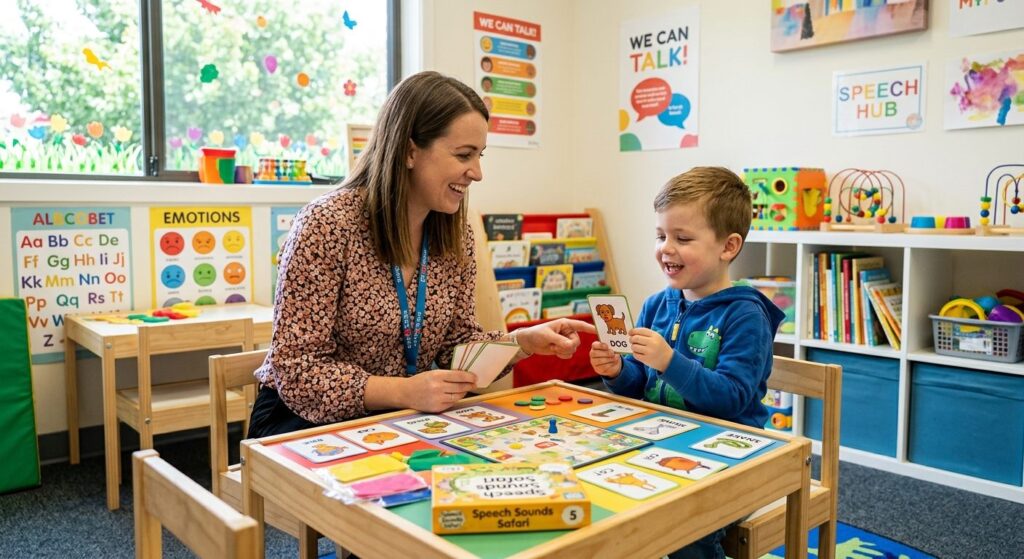
A speech-language pathologist conducts a detailed assessment that includes hearing screening, an oral mechanism exam, and a speech sample. The therapist listens for error patterns, consistency, and how well the child can imitate sounds with support. The goal is not just to label the problem but to identify which sounds and patterns to target first.
In Dubai, families can access assessment through hospital-based clinics, private therapy centres, and school-based therapists. The key is finding a therapist who works regularly with paediatric speech sound disorders and involves parents in the process.
Treatment Options That Work
Speech therapy is the core treatment for SSD. The approach depends on the type of disorder. For articulation errors, therapy often focuses on teaching the correct tongue, lip, and jaw placement for a target sound, then practising it in syllables, words, and conversation. For phonological disorders, the therapist targets the underlying pattern rather than individual sounds, helping the child learn that changing the sound changes the meaning.
For motor speech disorders like apraxia, therapy uses frequent, intensive practice with a focus on movement sequences. Visual cues, touch cues, and slower pacing all help.
Parents often ask whether speech therapy at home can replace clinic sessions. Home practice is essential but works best alongside professional guidance. A therapist can design short, daily practice routines that fit into play, mealtimes, and car rides. Consistency matters more than long sessions.
Comparing the Main Types of SSD
| Type | Core Difficulty | Common Example | Typical Therapy Focus |
|---|---|---|---|
| Articulation disorder | Physical sound production | “wabbit” for “rabbit” | Correct placement and motor practice |
| Phonological disorder | Sound rule patterns | “teep” for “keep” | Changing underlying sound patterns |
| Childhood apraxia of speech | Motor planning and sequencing | Inconsistent errors, groping | Movement sequences and intensive practice |
| Dysarthria | Muscle weakness | Slurred or slow speech | Strengthening and breath support |
Common Mistakes Parents Make
Waiting too long is the most frequent issue. While some mild articulation errors resolve naturally, persistent phonological patterns rarely fix themselves without intervention. Another mistake is focusing on correcting the child mid-sentence constantly, which can create frustration and avoidance. A better approach is to model the correct production naturally and set aside dedicated practice time.
Screen time is not a substitute for real conversation. Children learn speech sounds through back-and-forth interaction, not passive listening. The quality and quantity of talking with caregivers matters.
When to Seek Help in Dubai
If a child over three is difficult for unfamiliar listeners to understand, or if a parent feels concerned, an assessment is worthwhile. Early intervention is more efficient and less frustrating for the child. Many Dubai clinics offer initial consultations that clarify whether the difficulty is developmental or needs structured therapy. A skilled super team of therapists can make a significant difference in how quickly a child progresses.
Frequently Asked Questions
1. What are examples of speech sound disorders?
Examples include a lisp, where “s” sounds like “th”; gliding, where “r” becomes “w” as in “wabbit” for “rabbit”; fronting, where “k” becomes “t” as in “teep” for “keep”; and childhood apraxia of speech, where the brain struggles to plan speech movements.
2. Can speech sound disorder be cured?
Most children with SSD make significant progress with appropriate speech therapy. Many resolve their difficulties completely. The outcome depends on the type, severity, and presence of other conditions. Early, targeted intervention gives the best results.
3. How to treat speech delay in children?
Speech delay is treated through assessment by a speech-language pathologist, followed by targeted therapy. Parents support progress through daily practice, modelling correct sounds, reading together, and creating opportunities for conversation without pressure.
4. What causes sudden speech problems?
Sudden speech problems in a child who previously spoke clearly are a red flag. Possible causes include hearing loss, neurological changes, injury, or significant emotional stress. This requires prompt medical evaluation, not a wait-and-see approach.
5. Is speech sound disorder a disability?
In some cases, SSD can qualify as a disability when it significantly limits communication, learning, or social participation. Many children receive support through school-based services. The classification depends on severity and functional impact.
If your child’s speech is hard to understand or causing frustration, book a consultation with a paediatric speech and language therapist to get a clear picture and a practical plan.