
Can ADHD Cause Anxiety in Children? Signs to Look For
If you are asking can ADHD cause anxiety in your child, you are not alone. Many parents notice a confusing pattern: their child is restless, distracted or impulsive, but also worries intensely, avoids tasks or becomes tearful before school, homework or social situations.
ADHD and anxiety are different conditions, but they can appear together and influence each other. ADHD affects attention, impulse control, planning and emotional regulation. Anxiety involves fear, worry and a body alarm response that can make a child feel unsafe even when there is no immediate danger. When both are present, anxiety in children can be harder to spot because it may look like everyday ADHD struggles.
Can ADHD Cause Anxiety or Are They Separate?
The honest answer is yes, ADHD can contribute to anxiety, but it does not cause anxiety in every child. A child with ADHD may face repeated corrections, academic pressure, social misunderstandings and difficulty meeting expectations. Over time, these experiences can create worry about failing, getting in trouble or disappointing adults.
The American Academy of Pediatrics ADHD clinical practice guideline recommends that children being assessed for ADHD should also be evaluated for coexisting conditions such as anxiety, depression, learning difficulties and language disorders. This matters because treatment plans work best when the whole child is understood.
When parents search can ADHD cause anxiety, they are often seeing this cycle at home: the child forgets instructions, receives negative feedback, starts to expect criticism then becomes anxious before the next task even begins. The anxiety may then make focus worse, which increases the ADHD-related difficulty.
If you are still unsure which signs fit your child, Bridges Speech Center has a parent-friendly overview of ADHD symptoms in kids that can help you notice patterns without rushing to conclusions.
Signs of Anxiety in Children When ADHD Is Also Present
Anxiety in children is not always expressed as I feel worried. Many children show anxiety through behavior, body complaints or avoidance. When ADHD is also present, the signs can overlap.
| What parents may notice | Possible ADHD symptoms link | Possible anxiety link | What to watch over time |
| Avoiding homework | Difficulty starting, planning or sustaining attention | Fear of mistakes or failure | Does avoidance increase before tests or challenging tasks? |
| Meltdowns before school | Trouble with transitions or morning routines | Separation worry, social fear or school-related stress | Is the distress strongest on school days? |
| Restlessness | Hyperactivity or impulsivity | Body tension from worry | Does movement reduce when the child feels safe? |
| Trouble sleeping | Difficulty settling the brain | Racing thoughts or fear at night | Are worries spoken more at bedtime? |
| Stomach aches or headaches | May occur with stress and fatigue | Common physical anxiety signs | Do symptoms appear before specific events? |
| Irritability | Low frustration tolerance | Overload, fear or emotional shutdown | Does reassurance help or make it worse? |
A key clue is timing. ADHD symptoms are usually present across many settings, though they may vary by demand. Anxiety symptoms often intensify around specific triggers such as school performance, separation, noise, social situations or new routines.
Why ADHD May Increase Anxiety Risk
So, can ADHD cause anxiety through daily stress? For some children, it can increase the risk because ADHD makes ordinary demands feel harder. A child who cannot organize a school bag, finish written work or follow multi-step instructions may start each day expecting something to go wrong.
Social situations can also play a role. Impulsivity may lead to interrupting, grabbing items or reacting too quickly. Later, the child may feel embarrassed and begin worrying about friendships. Inattention can cause missed social cues, which may look like not caring even when the child is trying.
Sensory overload is another common factor. Busy classrooms, loud places, scratchy clothing or unexpected changes can heighten stress. If a child also has communication difficulties, anxiety may increase because they cannot explain what feels wrong. In these cases, support from a qualified speech therapist in Dubai may help families understand whether language, speech or social communication challenges are adding to frustration.
Parents can also review early warning signs in this Bridges Speech Center guide to anxiety in children to compare emotional, physical and behavioral patterns.
When ADHD Symptoms Look Like Anxiety
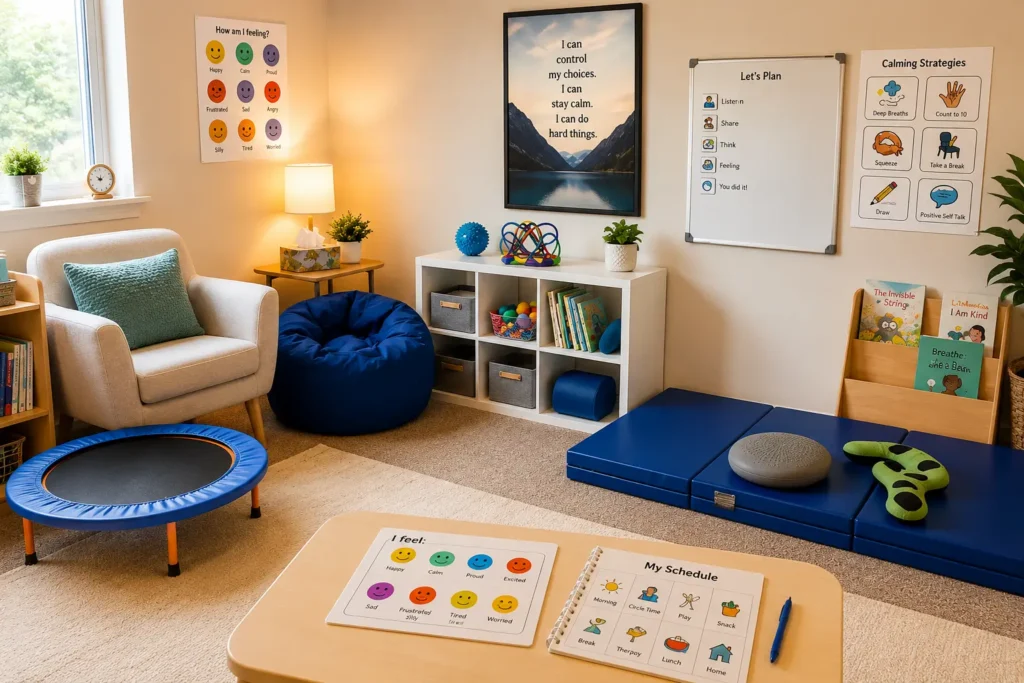
Some ADHD symptoms can be mistaken for anxiety. A child who appears not to listen may be distracted rather than worried. A child who rushes through work may be impulsive rather than fearful. At the same time, an anxious child may seem inattentive because their mind is occupied by worry.
This is why one symptom is rarely enough. A careful assessment looks at when the behavior happens, what triggers it, how long it has been present and whether the child is avoiding activities they used to enjoy. Parents can keep a short log for two weeks noting sleep, appetite, school events, meltdowns, worries and physical complaints.
School refusal is one area where ADHD and anxiety often meet. A child may refuse school because academic tasks feel impossible, because social anxiety is intense or because sensory overload feels unbearable. If mornings have become a battle, this guide on school refusal and therapy support explains common causes and next steps.
How Therapy Can Help Children With ADHD and Anxiety
When families ask can ADHD cause anxiety, the next question is usually what can we do now. The answer depends on the child. Some children need psychological support for worry and coping skills. Others benefit from occupational therapy for sensory regulation, speech therapy for communication or behavior therapy for routines and emotional control.
Bridges Care provides multidisciplinary support for children and families in Dubai, including speech therapy, occupational therapy, physiotherapy, psychology services, behavior therapy and home care options. A team approach is often helpful because anxiety in children may involve learning, communication, movement, sensory processing and family routines.
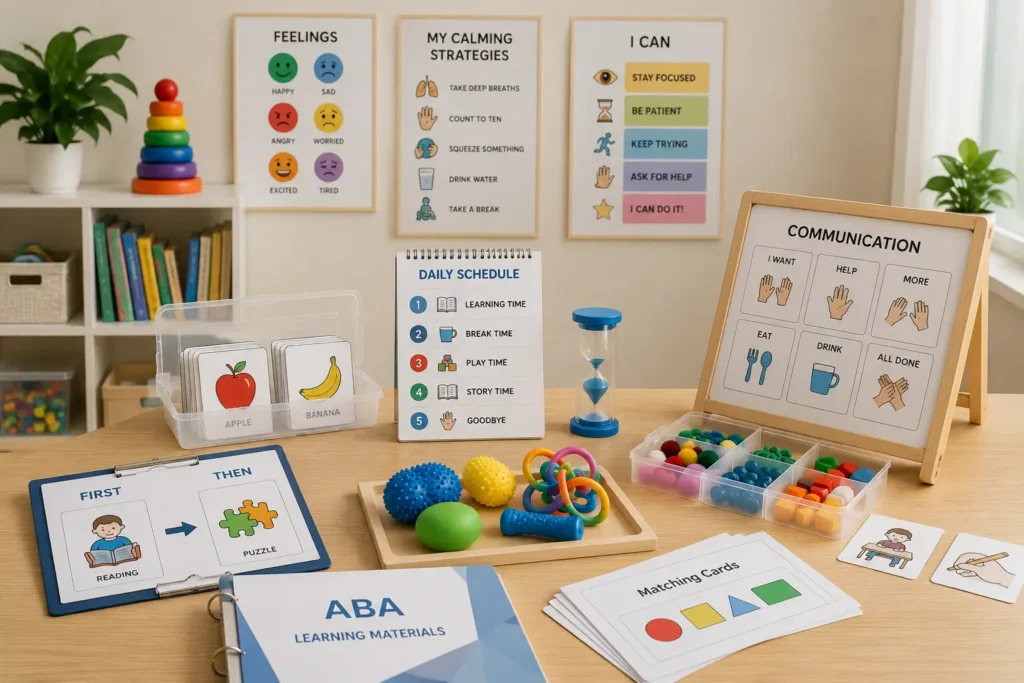
ABA therapy may support children who need help building predictable routines, flexible behavior, social skills and emotional regulation. It can be especially useful when anxiety is connected to transitions, task refusal or difficulty coping with change. Families can learn more about ABA therapy programs and discuss whether this approach fits their child’s needs.
ABA therapy is not a one-size-fits-all answer for anxiety, but it can be part of a wider plan. For example, a therapist may help break a stressful task into smaller steps, reinforce calm communication and teach replacement behaviors for avoidance. ABA therapy works best when goals are individualized, compassionate and coordinated with parents.
What Parents Can Do at Home
Home support does not replace professional care, but it can reduce pressure and help your child feel safer. The goal is not to remove every challenge. The goal is to make challenges predictable and manageable.
Try these simple strategies:
- Use short instructions and ask your child to repeat them back.
- Create visual routines for mornings, homework and bedtime.
- Praise effort before results, especially when tasks are difficult.
- Give advance warning before transitions.
- Offer calm choices instead of long explanations during meltdowns.
- Track patterns such as sleep, school stress and physical complaints.
If you suspect ADHD, anxiety or both, avoid framing the child as lazy, dramatic or difficult. Children with ADHD and anxiety often need skills, structure and emotional safety before behavior improves.
For a deeper look at causes and support options, Bridges Care also offers a guide to ADHD in children that may help parents prepare for an assessment or therapy consultation.
When to Seek Professional Help
Seek support if anxiety affects school attendance, sleep, eating, friendships or family life. You should also seek help if your child has frequent panic-like episodes, repeated physical complaints without a medical explanation, intense perfectionism or sudden withdrawal.
Professional assessment is also important when ADHD symptoms are causing daily impairment. A pediatrician, psychologist, psychiatrist or qualified therapist may use parent interviews, teacher feedback, developmental history and standardized tools. The purpose is not to label your child. It is to understand what support will help.
Conclusion
Can ADHD cause anxiety in children? It can contribute to anxiety for many children, especially when daily demands repeatedly exceed their current attention, organization, sensory or communication skills. ADHD and anxiety can also exist side by side, with each condition making the other harder to manage.
Parents should look for patterns: avoidance, physical complaints, sleep struggles, irritability, school refusal and worry around specific triggers. Early support can reduce stress and help children build confidence.
If you are concerned about your child, reach out to Bridges Care speech therapy centre for guidance. A compassionate, multidisciplinary plan can help your child communicate better, regulate emotions and participate more comfortably at home, school and in the community.
Frequently Asked Questions
- Can ADHD cause anxiety even if my child seems confident? Yes. A child may appear outgoing or energetic but still worry privately about mistakes, friendships or getting into trouble. Look for avoidance, sleep problems, stomach aches and distress before demanding tasks.
- How can I tell the difference between ADHD symptoms and anxiety? ADHD symptoms usually involve attention, impulsivity and activity level across situations. Anxiety is often linked to fear, worry, avoidance or physical stress. Because they overlap, a professional assessment is the safest way to understand your child’s needs.
- Is anxiety in children with ADHD common? Anxiety in children with ADHD is commonly seen in clinical settings. Not every child with ADHD develops anxiety, but repeated academic, social or sensory stress can increase worry and avoidance.
- Can ABA therapy help if my child has ADHD and anxiety? ABA therapy may help when anxiety is connected to routines, transitions, task refusal or behavior challenges. It should be individualized and may work best alongside psychology, occupational therapy, speech therapy or parent training.
- When should I ask for help in Dubai? Ask for help if worry, avoidance, school refusal, sleep issues or emotional outbursts affect daily life. Early guidance from a child development or therapy team can prevent problems from becoming more stressful for the child and family.