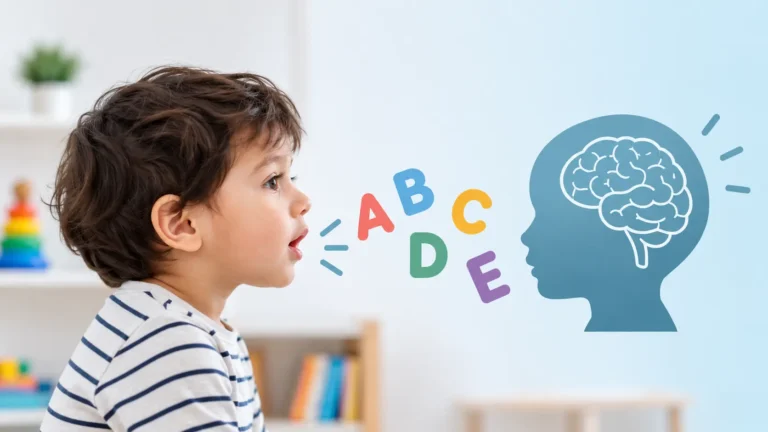
What Is Mixed Receptive Expressive Language Disorder? Signs, Causes, and How Speech Therapy Can Help
When a child struggles to understand what others say and also finds it difficult to express thoughts clearly, everyday communication can become frustrating for the whole family. Parents may notice that their child does not follow instructions, uses very short sentences or seems unable to explain needs even when they are trying hard.
If you are asking
what is mixed receptive expressive language disorder,
The simple answer is that it is a communication difficulty affecting both understanding and spoken expression. It is more than a speech delay. It can affect learning, friendships, behavior, confidence and independence when it is not supported early.
What is mixed receptive expressive language disorder?
What is mixed receptive expressive language disorder in clinical terms? It is a type of Language Disorder where a person has difficulty with receptive language and expressive language at the same time.
Receptive language is the ability to understand words, sentences, questions, directions and conversations. Expressive language is the ability to use words, sentences, grammar and gestures to communicate ideas. A child with mixed receptive expressive language disorder may struggle in both areas, which can make daily interactions confusing and tiring.
The American Speech-Language-Hearing Association describes spoken language disorders as difficulties with language form, content or use. These can affect vocabulary, grammar, sentence structure and social communication. You can learn more from ASHA’s overview of speech language disorders.
At Bridges Care Speech Therapy Center, families can access professional assessment and therapy support for children and adults who have communication challenges, developmental concerns or related learning and behavior needs.

Receptive vs expressive language difficulties
Understanding the difference between receptive and expressive difficulties helps parents recognize why a child may behave in certain ways. Some children are labeled as “not listening” or “not trying,” when the real issue is that language processing is hard for them.
| Area of language | What it means | Possible signs |
| Receptive language | Understanding what others say | Difficulty following directions, misunderstanding questions, poor response to stories or conversations |
| Expressive language | Using words to communicate | Limited vocabulary, short sentences, grammar errors, trouble explaining ideas |
| Mixed receptive and expressive language | Difficulty with both understanding and speaking | Confusion during conversations, frustration, delayed language development and reduced participation |
A mixed profile can look different from one child to another. One child may understand familiar routines but struggle with new instructions. Another may know what they want to say but cannot organize words clearly enough for others to understand.
If you are unsure whether your child has speech delay or a broader language concern, this guide on Speech Delay vs Language Delay: What’s the Difference? can help you understand the distinction.
Common mixed receptive expressive language disorder symptoms
Recognizing mixed receptive expressive language disorder symptoms early can make a major difference. Children do not all develop at the same pace, but persistent difficulties should be checked by a qualified professional.
Common signs may include:
- Difficulty following one-step or two-step instructions
- Limited vocabulary for age
- Trouble answering “who,” “what,” “where” or “why” questions
- Short or incomplete sentences
- Repeating words without fully understanding them
- Difficulty retelling events or stories
- Frustration, tantrums or withdrawal during communication
- Poor understanding of classroom instructions
- Trouble joining conversations with peers
- Difficulty learning new words or concepts
Some children with a Language Disorder may also have difficulty with attention, social interaction, play skills, reading readiness or emotional regulation. These challenges often overlap because language is connected to learning and behavior.
For parents who are already noticing speech and communication concerns, professional speech therapy can help identify whether the issue is mainly speech clarity, language understanding, expression or a combination of needs.
What causes mixed receptive expressive language disorder?
Parents often ask what causes this condition. In many cases, there is no single clear cause. What is mixed receptive expressive language disorder connected to? It may be linked to developmental, neurological, genetic, hearing or environmental factors.
Possible contributing factors include:
- Family history of speech and language difficulties
- Premature birth or low birth weight
- Hearing loss or repeated ear infections
- Autism spectrum disorder
- Intellectual or developmental delays
- Neurological conditions or brain injury
- Limited early language exposure
- Processing difficulties that affect how language is understood
A child can also have speech and language disorders alongside other developmental needs, such as attention difficulties, sensory processing challenges or learning difficulties. This is why a full assessment is more helpful than guessing from symptoms alone.
It is also important to avoid blame. A language disorder is not caused by laziness, poor parenting or a child being stubborn. Children with these challenges often want to communicate, but they need structured support to build the skills that come naturally to others.
How is it diagnosed?
A diagnosis usually begins with a detailed case history. A speech and language therapist asks about developmental milestones, hearing history, school performance, medical background and daily communication.
Assessment may include observation, parent interviews, play-based tasks, standardized language tests and informal conversation. The therapist may look at how the child follows directions, understands questions, uses vocabulary, forms sentences and communicates socially.
A qualified Speech therapist may also recommend hearing screening or collaboration with occupational therapists, psychologists, pediatricians or teachers if other concerns are present.
For adults, assessment may focus on language changes after stroke, brain injury, dementia or neurological conditions. Adults may experience similar difficulties with understanding conversations, finding words, organizing thoughts or participating confidently at work and home.
How speech therapy can help
Speech therapy is one of the most effective supports for mixed receptive expressive language disorder. The goal is not only to help a child say more words. Therapy also builds understanding, sentence structure, vocabulary, listening skills, social communication and confidence.
A therapy plan may include:
- Building vocabulary through play, pictures, books and real-life routines
- Teaching children to follow directions step by step
- Improving sentence length and grammar
- Helping children answer and ask questions
- Supporting story retelling and sequencing
- Teaching parents how to model language at home
- Using visual supports for better understanding
- Strengthening communication for school and social situations
Good therapy is individualized. A child who struggles mostly with comprehension needs different strategies from a child who understands well but cannot express ideas clearly. For children with both needs, therapy must target receptive and expressive goals together.
Families looking for Speech therapy Dubai services should choose a center that provides assessment, goal-based sessions and family guidance rather than a one-size-fits-all program.
What parents can do at home
Home practice does not replace therapy, but it helps children use new skills in daily life. The best strategies are simple, consistent and connected to real routines.
Speak slowly and use clear sentences. Give one direction at a time when your child is overwhelmed. Add one or two words to what your child says. For example, if your child says “car,” you can model “red car” or “car is moving.”
Reading together is also powerful. Ask simple questions, point to pictures and talk about what is happening in the story. If your child cannot answer, model the answer gently instead of testing repeatedly.
Daily routines are ideal for language practice. Bath time, meals, dressing, shopping and play all create natural opportunities to name objects, describe actions and practice choices.
For practical ideas, this article on Speech Therapy at Home: Simple Exercises to Improve Communication Skills offers parent-friendly activities that can support communication between therapy sessions.
When should you seek professional help?
You should seek guidance if your child is not understanding simple instructions, uses fewer words than expected, rarely combines words, struggles to answer questions or becomes very frustrated when trying to communicate.
It is also wise to request an assessment if teachers report that your child does not follow classroom instructions, has trouble participating in group activities or seems behind in language-based learning.
Early support is especially important because speech and language disorders can affect reading, writing, social skills and emotional well-being. The earlier therapy begins, the easier it is to build communication skills during important developmental years.
If you are still wondering what is mixed receptive expressive language disorder and whether your child’s signs fit, a professional assessment can give clear answers and a practical support plan.

Conclusion
What is mixed receptive expressive language disorder?
It is a communication condition where a person has difficulty understanding language and expressing thoughts. The signs may include trouble following instructions, limited vocabulary, short sentences, difficulty answering questions and frustration during communication.
The causes can vary, and the symptoms can overlap with other developmental or learning needs. A full assessment helps identify the child’s strengths and challenges so therapy can be personalized.
Speech therapy can make a meaningful difference by improving understanding, expression, confidence and daily participation. If you are concerned about your child’s communication or need support for an adult with language difficulties, contact Bridges Care Speech Therapy Center for professional guidance and individualized care.
Frequently Asked Questions
What is mixed receptive expressive language disorder in children?
It is a language difficulty that affects both understanding and speaking. A child may struggle to follow instructions, understand questions, use age-appropriate vocabulary or form clear sentences.
What are the most common mixed receptive expressive language disorder symptoms?
Common symptoms include poor understanding of directions, limited vocabulary, short sentences, grammar difficulties, trouble answering questions and frustration when communicating.
Is mixed receptive expressive language disorder the same as speech delay?
No. Speech delay usually refers to delayed speech sound production or late talking. A Language Disorder affects understanding, expression or both, which can impact learning and social communication.
Can speech therapy help mixed receptive expressive language disorder?
Yes. Speech therapy can improve listening comprehension, vocabulary, sentence structure, question answering, storytelling and everyday communication. Progress depends on the person’s needs, consistency and family involvement.
When should parents see a speech and language therapist?
Parents should seek help if a child has persistent difficulty understanding instructions, speaking in sentences, answering questions, learning new words or communicating without frustration.