Why Is My Child a Picky Eater? When to Consider Feeding Therapy
My child refuses to eat vegetables?
Why won’t my toddler eat the same foods they loved last month?
Why does every meal seem like a negotiation?
If these questions sound familiar, you are not alone.
Many parents are concerned if their child will eat a limited number of foods, or will not try new foods. Some children reject foods because of their texture, smell, or appearance. Others get mad if two foods touch each other on the plate.
While some picky eating is normal for children, persistent food refusal can sometimes indicate feeding challenges that benefit from professional support.

What Is a Picky Eater?
A picky eater is a child who often restricts what they eat based on taste, texture, smell, temperature, or appearance.
Most children experience periods of selective eating, particularly between the ages of two and six. However, a child who eats very few foods or avoids entire food groups may require further assessment.
Research shows that many young children are selective eaters, but if food is severely restricted, it can affect nutrition, growth, and family life.
Children may reject foods for the following reasons:
- Texture sensitivities
- Strong smells
- Fear of unfamiliar foods
- Oral motor difficulties
- Previous negative experiences with eating
- Sensory processing differences
How Can Feeding Therapy Help?
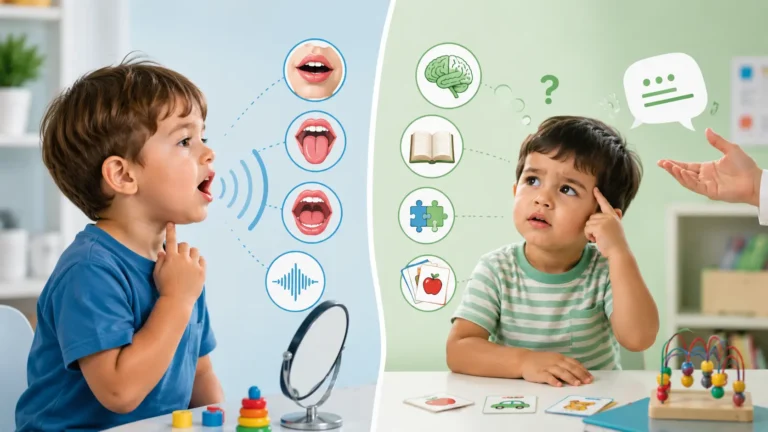
Feeding therapy uses sensory, oral motor, and behavioral techniques to help children become more comfortable with food.
Today’s techniques of pediatric feeding therapy don’t require that children be forced to eat.
Instead, therapists try to understand why a child won’t eat, and slowly build confidence around eating.
Therapy can involve:
- Food exploration through play
- Sensory activities
- Oral motor exercises
- Introducing new foods step by step
- Parent coaching and home strategies
The goal is to make mealtimes less stressful and more successful for everyone involved.
Common Signs Parents Notice First
| Age Group | Common Signs |
| Infants | Difficulty moving to solids, gagging, spoon refusal |
| Toddlers | Toddler refuses food, prefers only a few foods |
| Preschoolers | Avoids textures, refuses family meals |
| School Age | Anxiety around school lunches and social eating |
Who Can Benefit From Feeding Therapy?
Feeding therapy may help children with:
- Autism Spectrum Disorder
- ADHD
- Developmental delays
- Sensory processing differences
- Anxiety
- Learning difficulties
- Oral motor challenges
- No diagnosis at all
Many children who are labelled as simply “fussy eaters” actually have underlying feeding difficulties that can be addressed successfully.
Many children who have trouble eating also face sensory processing issues, oral motor challenges, or difficulties in regulating themselves. In these cases, Occupational Therapy can help improve feeding skills and encourage acceptance of different foods.
When Should Parents Seek Help?
Featured Snippet Answer
Parents should seek help if food refusal affects nutrition, growth, or daily family life.
Consider speaking to a specialist if your child:
- Eats fewer than 20 foods regularly
- Refuses entire food groups
- Frequently gags or coughs while eating
- Becomes distressed during meals
- Continues to show strong child refuses food behaviours
- Avoids social eating situations
- Is losing weight or not gaining weight appropriately
If mealtimes are becoming stressful every day, support may help.
When Should Therapy Start?
The earlier the feeding difficulties are addressed the easier they often are to manage.
Toddlers and preschoolers usually do very well with early intervention. Older children can also make a great deal of progress, however.
It is never too late to build a child’s relationship with food.
What Does a Feeding Therapy Session Look Like?
Feeding therapy sessions are designed to feel safe, playful, and pressure-free.
Sessions may include:
- Exploring foods through touch and play
- Smelling and interacting with new foods
- Oral motor activities
- Sensory games
- Parent education
Children are never forced to eat.
Instead, therapists help children gradually feel comfortable around foods that currently feel overwhelming or unfamiliar.
Sessions typically last between 45 and 60 minutes, with parents involved throughout the process.
Depending on the child’s needs, sessions may include sensory activities and oral motor exercises that are often used in pediatric Occupational Therapy programs.

Benefits of Feeding Therapy
Feeding therapy can help improve:
- Food variety
- Nutritional intake
- Confidence around meals
- Family mealtime experiences
- Independence
- Social participation
- School lunch participation
- Emotional wellbeing
For many families, the biggest improvement is that mealtimes become enjoyable again.
Why Families in the UAE Choose Bridges Care Dubai
Families across Dubai and the UAE choose Bridges Care Dubai because of its child-centered and evidence-based approach to feeding difficulties.
The team provides:
- Comprehensive feeding assessments
- Individual treatment plans
- Parent coaching
- Home programs
- Progress monitoring
Every child receives support tailored to their individual needs, goals, and family routines.
Families across Dubai and the UAE choose Bridges Care Dubai because of its child-centered and evidence-based approach to feeding difficulties.
A Gentle Next Step for Parents
You don’t have to figure it out on your own if your toddler refuses food on a regular basis or if your child is a picky eater.
Sometimes, parents just need reassurance.
Sometimes children need practical strategies and help.
You can work with a feeding specialist to figure out if your child’s eating patterns are just a typical part of growing up or if they may need extra help.
A little guidance early on can change the way mealtimes feel in the months ahead.
Frequently Asked Questions
1. Is picky eating normal?
Yes. Mild picky eating is common in young children, but severe food restriction may need professional support.
2. Can sensory issues cause picky eating?
Yes. Texture, smell, temperature, and appearance can strongly influence food acceptance.
3. At what age should feeding therapy start?
There is no perfect age, but earlier support often leads to quicker progress.
4. Is feeding therapy only for autistic children?
No. Many children without any diagnosis benefit from feeding therapy.
5. Will my child be forced to eat?
No. Modern feeding therapy uses gradual exposure and play-based approaches.
6. How long does feeding therapy take?
Every child is different, and progress depends on the underlying cause of the feeding difficulty.