
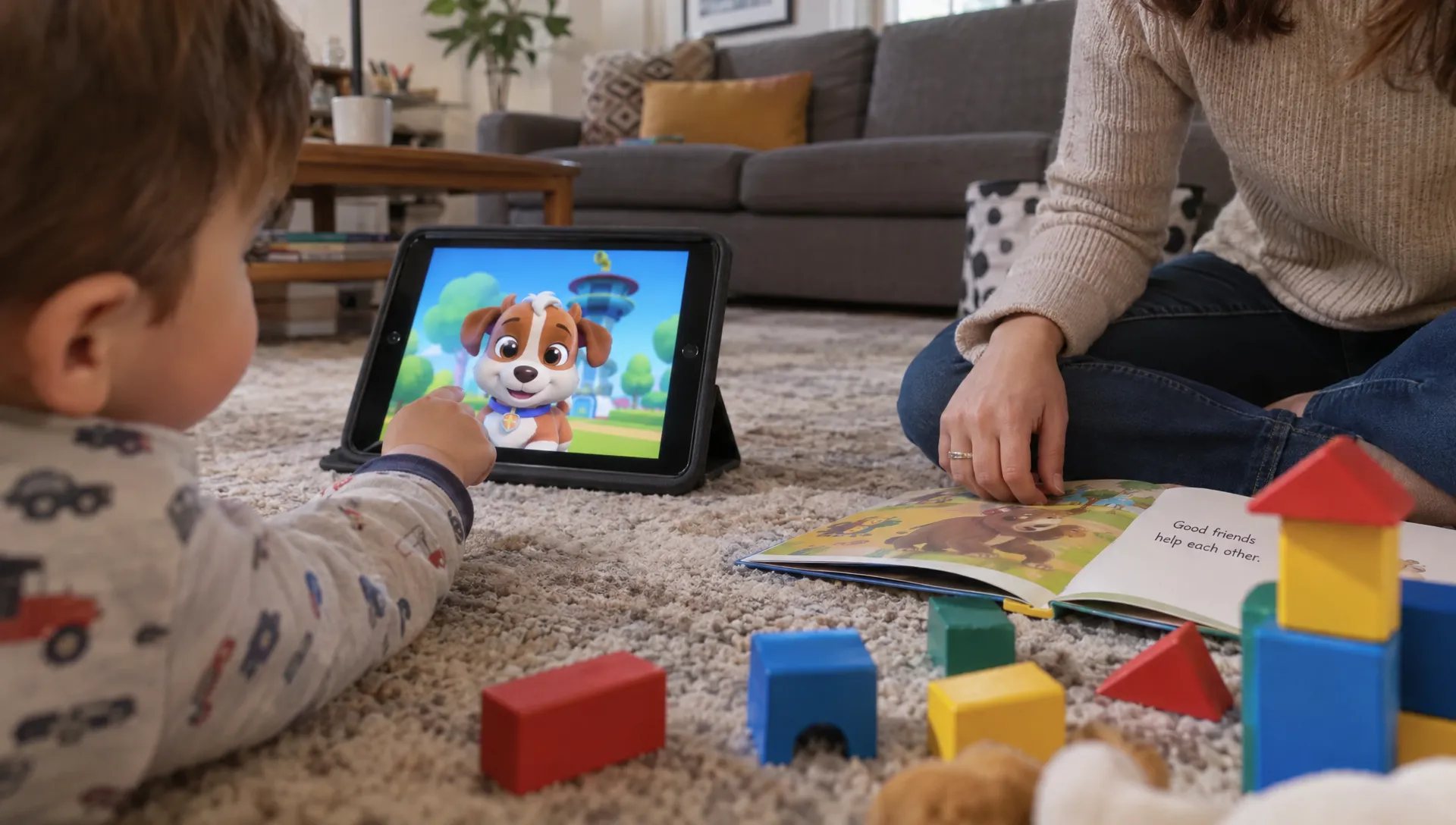
Excessive screen time can affect children’s communication skills when it replaces conversations, shared play and everyday opportunities to practise language. The concern is not simply owning a tablet or watching cartoons. It is what screen use leaves less time for.
Understanding the effects of screen time helps families make practical changes without blame. Whether you are exploring home strategies or looking for a speech therapy center in Dubai, consider the content, context and activities screens displace.
How excessive screen time can affect communication
Children learn communication through responsive exchanges: they make a sound, gesture or comment and another person responds. These interactions support vocabulary, understanding, turn-taking and expressing needs.
A prerecorded video cannot consistently respond to a child’s interests or adapt to their attempts to communicate. Even educational programmes work differently from a conversation with an attentive adult.
Language development in children involves more than naming objects. Understanding instructions, sharing experiences and noticing another person’s reactions all need practice. Long periods of solitary viewing can reduce those opportunities.
Parents concerned about early speech should also consider the possible causes of speech delay in toddlers rather than assuming screens explain every difficulty.
What does research actually show?
Research links excessive screen time with poorer language outcomes but does not establish that screens alone cause speech delay. A 2020 systematic review and meta-analysis in JAMA Pediatrics found that greater screen use was associated with weaker language skills. Educational content and watching with a caregiver were associated with stronger language skills.
These findings describe associations, not a diagnosis or a guaranteed outcome. Children’s development, family circumstances and media habits interact. Screens do not cause autism and reducing them is not a treatment for autism.
Which screen habits deserve attention?
The effects of screen time depend partly on how devices fit into daily life. Notice whether media interrupts conversation, play or bedtime rather than tracking minutes alone.
| Screen habit | Communication concern | Practical alternative |
|---|---|---|
| Television playing during meals | Competes with listening and conversation | Turn it off and discuss the day |
| Long periods of solitary viewing | Leaves fewer chances for responsive exchanges | Watch briefly together and discuss the content |
| Devices during shared play | Interrupts attention to another person | Put adult and child devices aside |
| Videos replacing bedtime reading | Removes opportunities for questions and storytelling | Share a book or tell a familiar story |
Background television matters too. Nobody needs to be actively watching for it to compete with attention and family conversation.

Age-appropriate limits and signs to discuss
The World Health Organization’s guidelines for children under five do not recommend sedentary screen time for children under two. For ages two to four, the recommendation is no more than one hour daily, with less being better.
For older children, protect sleep, physical activity, learning and relationships. Video calls, shared creative activities and solitary entertainment are different experiences, so consider purpose as well as duration.
If excessive screen time regularly crowds out these activities, change the routine. However, concerns about language development in children deserve assessment, not just a screen reduction experiment.
Seek advice if a child loses previously acquired words, has difficulty understanding familiar language or seems not to hear. If restlessness accompanies communication concerns, explore attention difficulties and speech delay without assuming either indicates a particular diagnosis.
How to improve communication skills during everyday routines
The most useful changes create more opportunities for interaction. You do not need elaborate activities or constant teaching. Start with routines your child already enjoys.
Make one routine screen-free
Choose a manageable starting point, such as meals or the journey home. Explain the change simply and offer a predictable alternative: conversation, songs or looking out of the window together.
Reducing excessive screen time works best when families replace viewing with connection rather than simply removing a device. Adults can model this by setting their phones aside too.
For children who need additional language support, these home habits for supporting speech development offer further ideas. Home activities complement professional advice when needed.
Follow your child’s interests
Describe what your child is doing and pause to give them room to respond. If they say “car,” you might add “the car is going fast.” Avoid turning every interaction into a test.
Shared books, pretend play and everyday tasks build children’s communication skills through meaningful exchanges. With older children, discuss a programme’s characters or invite them to explain a game.
If sensory sensitivities or motor difficulties make shared activities challenging, occupational therapy support may help address participation needs. Screen use alone is not a reason to assume occupational therapy is necessary.

When should families seek professional support?
A child’s communication difficulties should not be attributed to excessive screen time without considering hearing, developmental history and other possible explanations. Do not delay an assessment while waiting to see whether fewer videos resolve the concern.
A speech-language therapist can assess understanding, expression, speech clarity and social communication. At Bridges Care Speech Therapy Center, families can access speech therapy for children and parent involvement in individualized care.
When choosing a speech therapy center in Dubai, describe your child’s strengths, difficulties and daily routines. Families contacting Bridges Care Dubai can also explain whether concerns occur across home, nursery or school.
What if changing screen habits causes distress?
Predictable limits and advance warnings can make transitions easier. Offer a familiar next activity and keep boundaries consistent without treating disappointment as misbehaviour.
If distress is persistent or affects everyday functioning, clinical psychology support may help families understand emotional and behavioural needs. Screen-related conflict alone does not establish a psychological condition.
Conclusion: protect opportunities to connect
The main concern with excessive screen time is the conversation, play and shared attention it may replace. Consider content and context alongside duration, make manageable changes and seek assessment when communication difficulties persist.
If you need support, contact Bridges Care Dubai to discuss your child’s needs. Building children’s communication skills starts with responsive interaction, supported by individualized care when appropriate.
Frequently asked questions
1. Can screens cause speech delay?
Heavy screen use is associated with poorer language outcomes but does not prove causation. Hearing difficulties and developmental differences are among other possible explanations.
2. Are educational videos enough to teach language?
No. They can introduce ideas but responsive conversation remains important for language development in children. Watching together creates opportunities to discuss what happens.
3. How can parents learn how to improve communication skills at home?
Follow your child’s interests, describe shared activities and pause for responses. Books, songs and pretend play provide useful opportunities without pressuring children to perform.
4. How soon will reducing screen use improve communication?
There is no guaranteed timeline. The effects of screen time vary and persistent concerns need assessment rather than a promise that changing one habit will resolve them.
5. Can Bridges Care Dubai help with communication concerns?
Yes. Families seeking a speech therapy center in Dubai can contact the center to discuss assessment and individualized support, including parent involvement.